





Reach every household
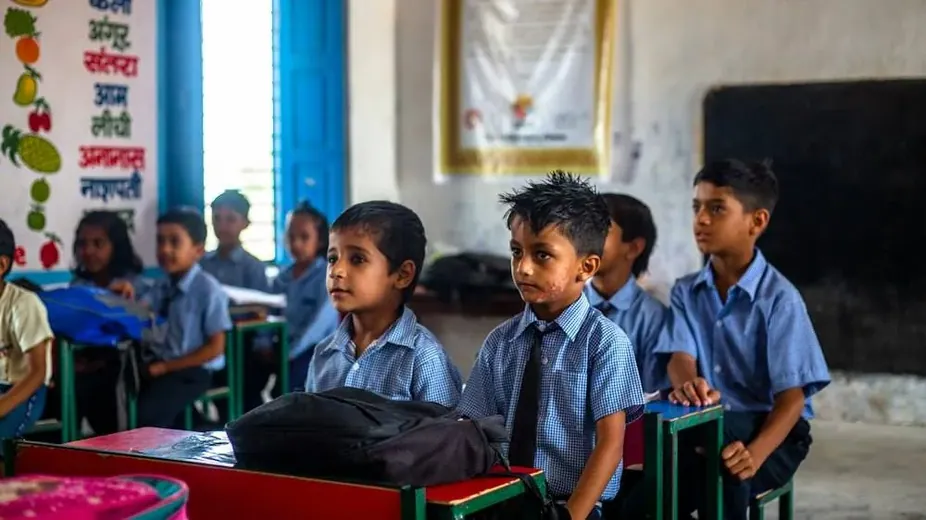
A registry of who actually lives in the catchment, refreshed on a cycle, not a list of who turned up.
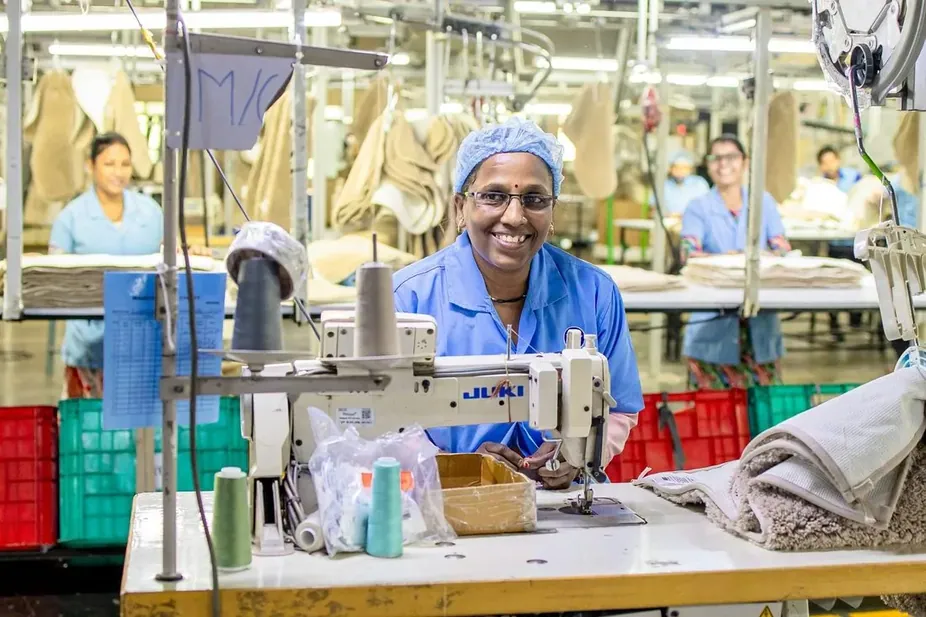
Programs designed with the cost per outcome right, before the budget locks.
Find out what people will actually do, before you build for what you assumed.
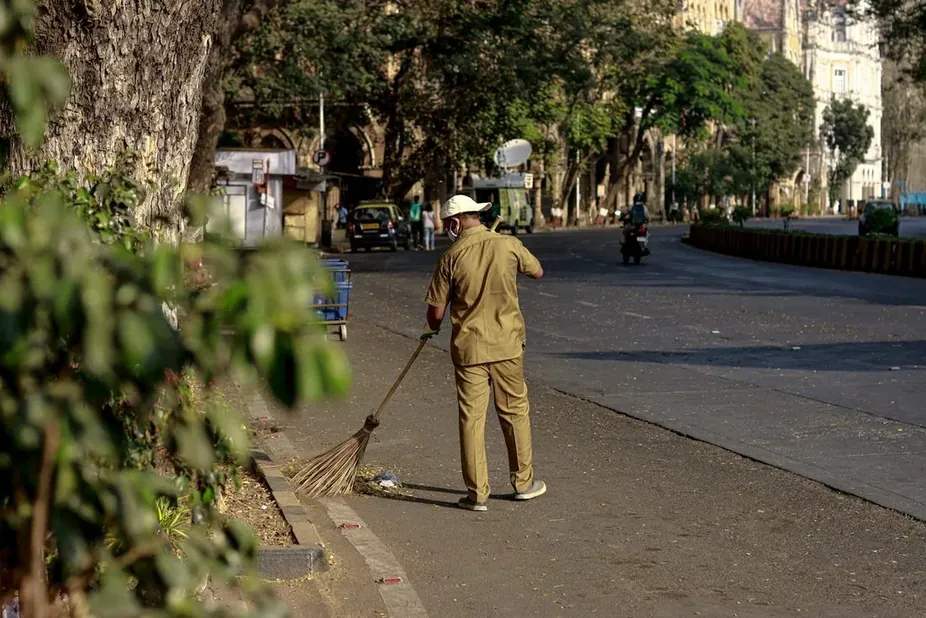
Purpose-built systems that work on the ground, not only on the dashboard.
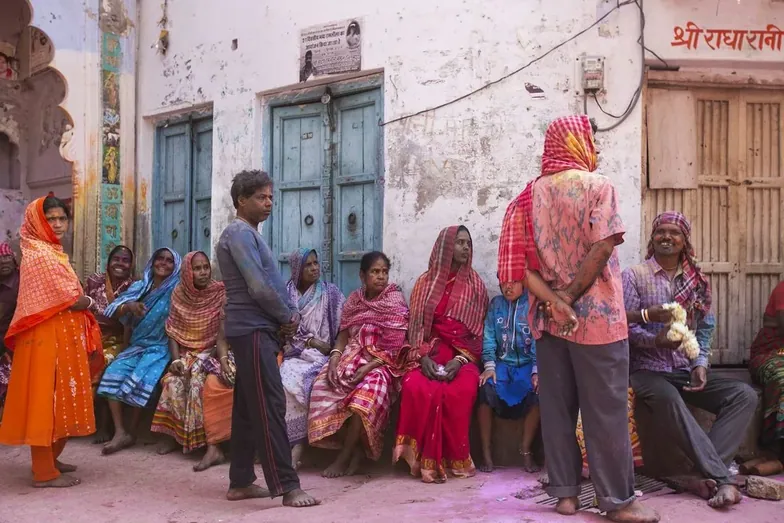
Field operations that turn a plan on paper into work on the ground.
Health programmes lose people between visits, not in the clinic. We build the records, workflows and field operations that keep a person in care from one visit to the next.
We work across the health system: from the frontline worker at the doorstep to the clinics, districts and programmes behind them. We build the records, workflows and field operations that keep people in care between visits, not only inside the clinic.
The hard part of community health is not the consultation. It is the eleven months around it, when nobody is in the room.
An ASHA or community health worker covers around a thousand people. The schedule for all of them — antenatal visits, immunisations, screenings, follow-ups — cannot be held in one head, and a paper register is never read back to her.
A person is screened, flagged and referred, and then the trail goes cold. Whether they reached the facility, were seen, and came back is the part no register records.
Coverage is compiled upward from registers weeks after the month it describes. By the time a gap is visible in a dashboard, the window to close it has passed.
Six steps between a doorstep and a resolved case. Every one of them is a place to lose somebody.
A referral that nobody closes is a visit that did not happen.
Not willingness, and not clinical skill. The gaps are administrative, which is the good news: they are the kind a system can close.
A worker with a thousand people needs a list for this morning, not a register she fills in afterwards. Without it, the people who are easiest to reach get visited twice and the rest not at all.
The household register, the clinic file and the programme's dashboard are three different accounts of the same person, and none of them can see the other two.
Referring is easy and closing the loop is not. Nobody is told whether the person arrived, and so nobody follows up when they did not.
The doorstep is exactly where coverage fails. Anything that needs a signal to record a visit will be filled in from memory that evening, or not at all.
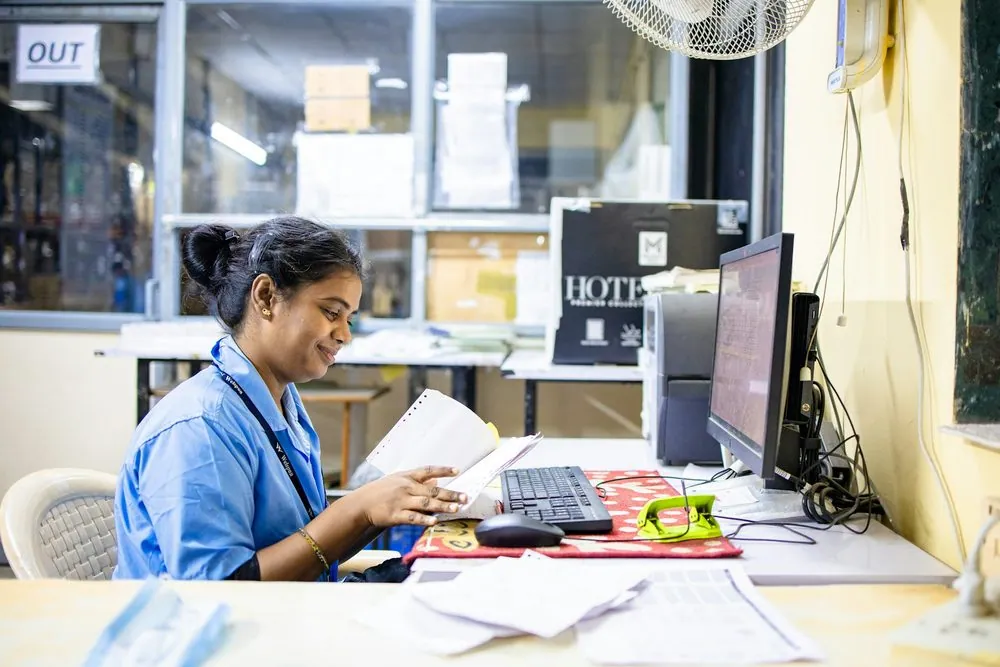
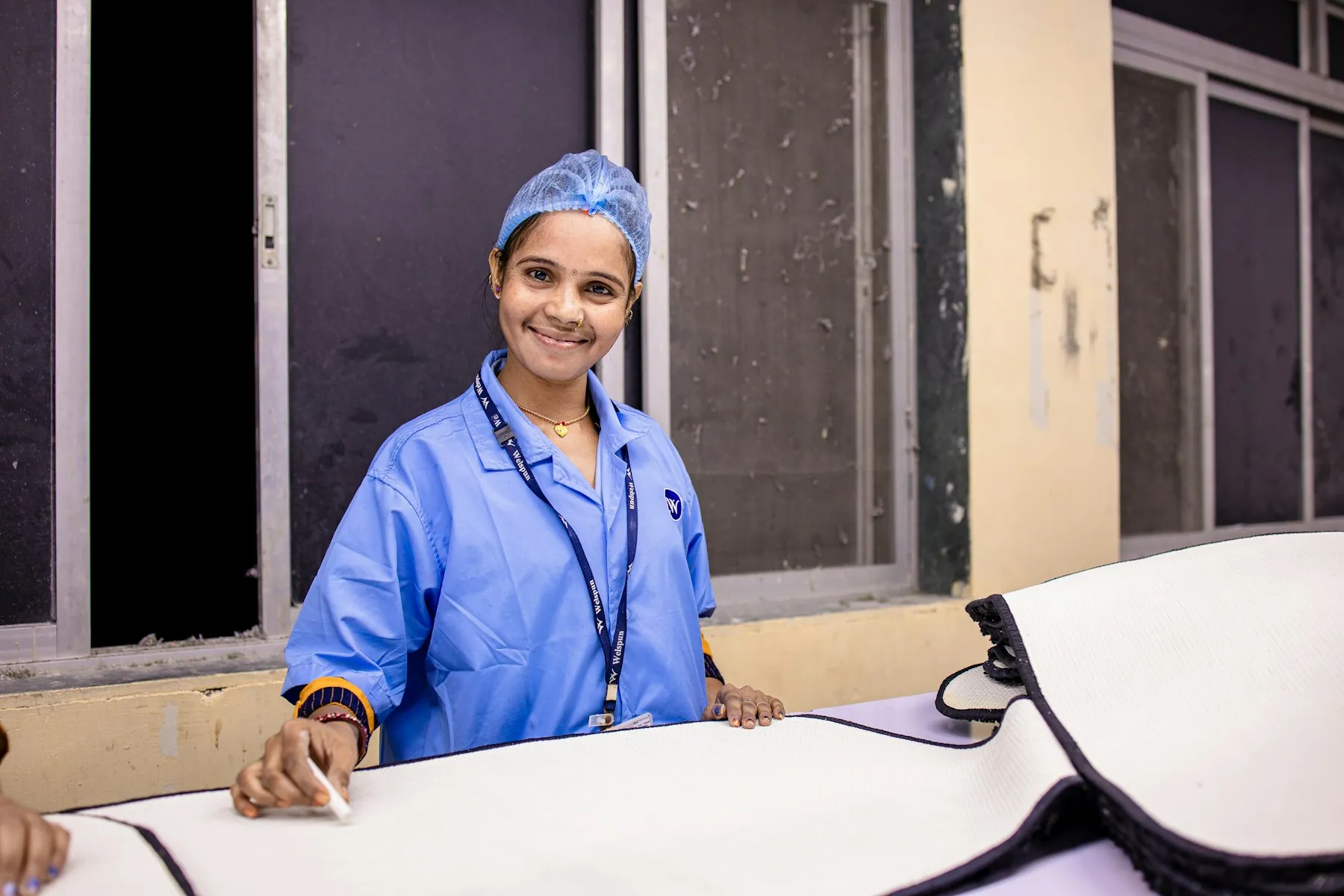
We treat this as a records-and-workflow problem rather than a motivation problem, because that is what it is.
A health programme is not one organisation. It is a worker, a clinic, a district, a supply chain and a funder, all acting on the same person and rarely on the same information. We build the record they can share, and keep it open.
Reach without records produces visits nobody can count. Records without follow-up produce dashboards nobody can act on. Do both without supply and the worker arrives with nothing in her bag.
A registry of who actually lives in the catchment, refreshed on a cycle, not a list of who turned up.
Under a minute per household, offline, in the worker's own language, with nothing to copy out later.
Referrals, follow-ups and missed visits tracked until somebody resolves them or decides not to.
Kits, vaccines and drugs counted where they are used, so a stock-out shows up before the visit does.
Each piece works on its own. They share one record of the household, the person and the visit, which is what turns separate tools into a care pathway.
Community health starts with knowing exactly who lives in the area and what their risk profile is. Households and members are enumerated with demographics, risk factors and vulnerability markers, offline. Pregnant women, infants, adolescents, the elderly and people with chronic conditions become working lists rather than categories in a report. Water source, sanitation, cooking fuel and housing are captured too, because they drive most of what the programme will go on to see, and the registry is refreshed on a cycle with every change recorded as an event.
An ASHA or community health worker covering a thousand people cannot hold the schedule in her head. Antenatal visits, immunisations, follow-ups and screenings due today are pushed to her device as a list she can work through, with the route ordered by where she is going anyway. Visits are recorded at the doorstep in under a minute, offline, and sync the moment a signal returns. Nothing is copied out in the evening, because nothing has to be.
The schedules every programme runs on, kept by the system rather than by memory: antenatal visits by trimester, the immunisation calendar by child, and screening cycles for chronic conditions. A due date that passes becomes an overdue task with a name on it, not a number in a monthly total.
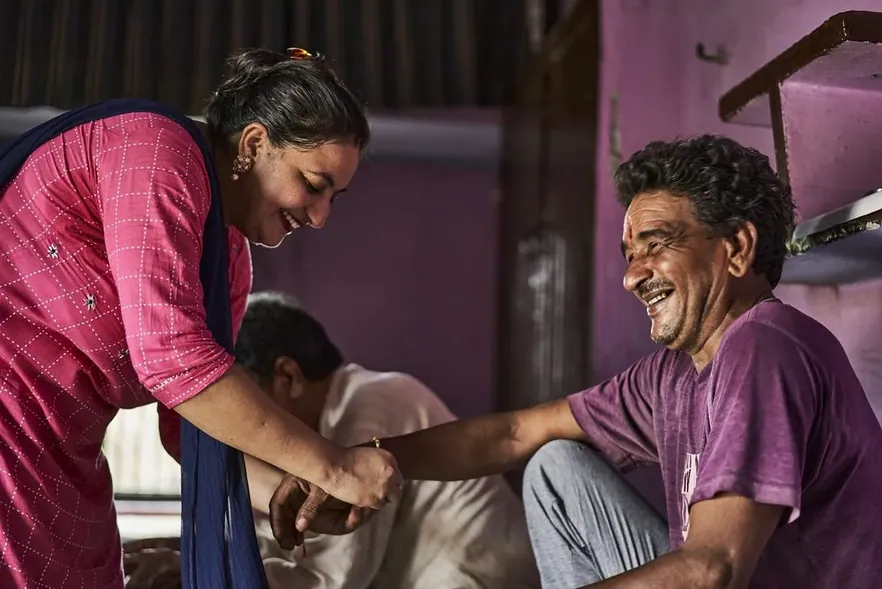
Referring is the easy half. A referral carries the person's history to the facility, and the facility's outcome comes back to the worker who made it, so somebody knows whether the person arrived and what happened next. Referrals that go unanswered surface as work rather than disappearing.
Consultations, diagnostics, prescriptions and stock on the same record the household visit was written to. A clinic stops being a separate account of the same person, and the worker at the doorstep can see what the clinic did.
Vaccines, kits, drugs and consumables counted where they are used rather than where they are stored. Consumption comes from the visits themselves, so a stock-out is visible while there is still time to move something.
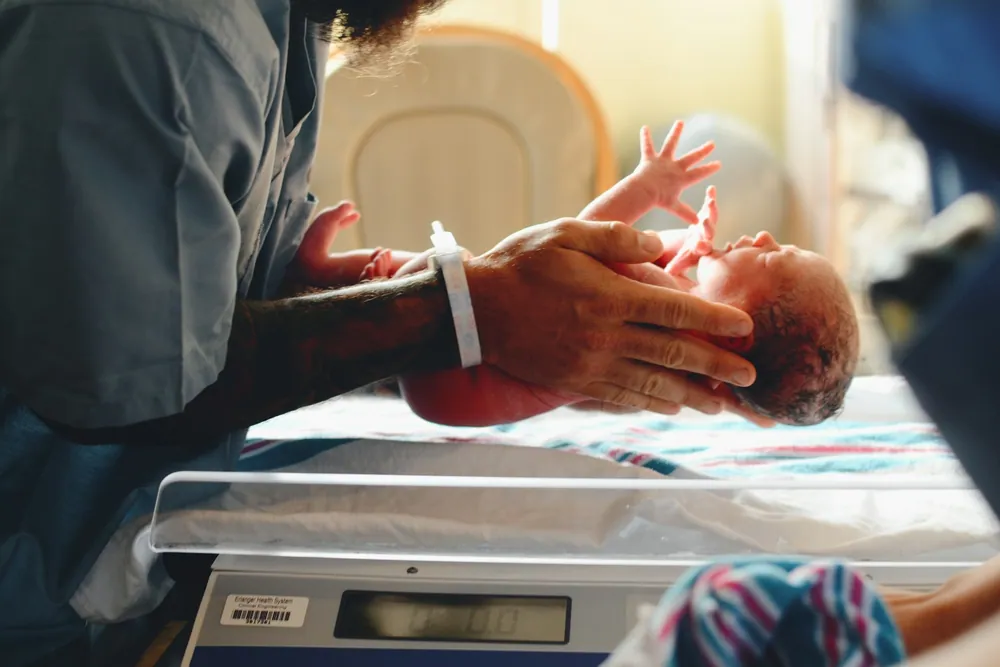
Coverage, outcomes and equity cuts drawn from the visits as they happen, in the formats missions, departments and funders actually file. The monthly report stops being three weeks of compiling and becomes a view of something that is already true.
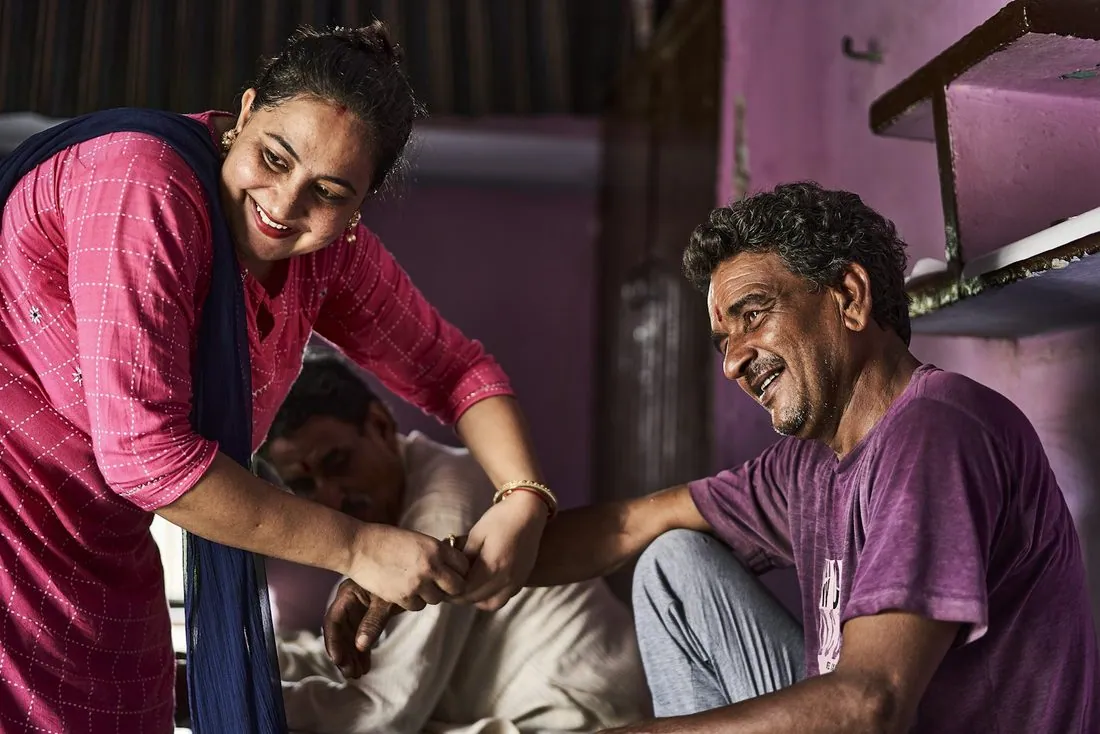
Most health software is designed in a city and dies in a village. These constraints are not features we added later; they decided how everything was built.
A visit is recorded while standing at the door, not written up that evening from memory.
Everything is captured offline and syncs when the network returns, because the doorstep is where coverage fails.
Every interface in the language the worker speaks, with voice where reading is the barrier.
ABDM-aligned identifiers and open APIs, so a programme is never locked into the vendor that started it.
 No poverty
 Good health and well-being
 Gender equality
 Clean water and sanitation
 Reduced inequalities
 Partnerships for the goals
The end state is not a large health-tech company with many programme users. It is a public health system that holds its own record of its own people, with us as one of the contributors rather than the landlord.
A pilot ends when its funding does. A record keeps compounding.
Health is not delivered in the clinic. It is delivered in the eleven months between visits, by the person who knocks on the door.
ASHAs, nurses and community health teams on the move.
Primary centres and district hospitals running daily care.
Missions and departments working at population scale.
Funders backing care that lasts beyond a pilot.

Teams building tools that must work in real clinics.
“We do not start with a proposal. We start by understanding your problem well enough to deserve one. Bring it to us as it is, messy is fine, and we will figure out the way forward together.”
Care pathways costed per outcome, designed around the worker who delivers them.
Every visit, referral and follow-up mapped so nobody slips between them.
Records, scheduling and follow-ups that work offline and connect to ABDM.
Onboarding, supervision and handover until clinics run it themselves.
A state mission, a district, a hospital network or a funder: we will tell you which part of the pathway we would start with, and what it would take.